

Pictures

1940s, Air defence, International air force, Periodicals, Pictures, Post-blogging 1940-2

Thursday, 13 March 1941

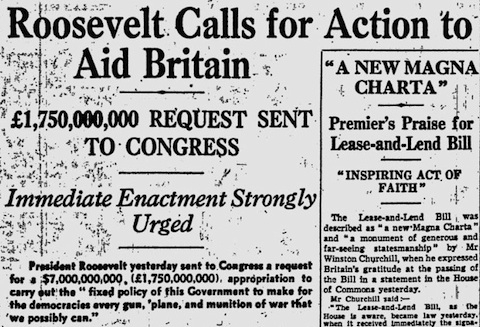
The Glasgow Herald today again leads with Lease-and-Lend, specifically the massive appropriation request made by Roosevelt to Congress — over half a billion pounds’ worth of ‘aircraft and aeronautical material, including engines, spares, and accessories’ alone (5). The Bill will be ready for debate early next week: the Speak of the House of Representatives, Sam […]

1940s, Aircraft, Civil defence, Collective security, International air force, Periodicals, Pictures, Post-blogging 1940-2

Wednesday, 12 March 1941

The Glasgow Herald, like many early-twentieth-century ‘provincial’ newspapers, made a serious effort to cover war and other international news, as well as reporting on national and local issues. (In fact, it almost seems more interested in what’s happening overseas than it is in London or even Edinburgh.) Its highmindedness is also evident in its lack

1930s, Air defence, Aircraft, Art, Books, Pictures

War is cute

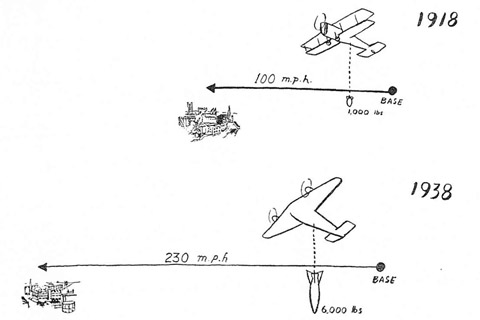
I’ve previously posted some of Gorden Cullen’s artwork for the Tecton Group’s 1939 book Planned A.R.P.. Here are some more of his cute drawings dealing with an awful subject. In this case, he is illustrating the ‘general agreement among experts’ on the threat posed by the bomber. (a) The range, speed, and carrying capacity of

Blogging, tweeting and podcasting, Pictures

Friday, 19 November 2010

Airminded has been archived by the British Library’s UK Web Archive, which ‘contains websites that publish research, that reflect the diversity of lives, interests and activities throughout the UK, and demonstrate web innovation’. It’s one of (at present) 487 blogs, 461 history websites, and 47 international relations, diplomacy and peace websites thus indexed. As you

1940s, Civil defence, Nuclear, biological, chemical, Periodicals, Phantom airships, mystery aeroplanes, and other panics, Pictures, Words

The road to Mattoon

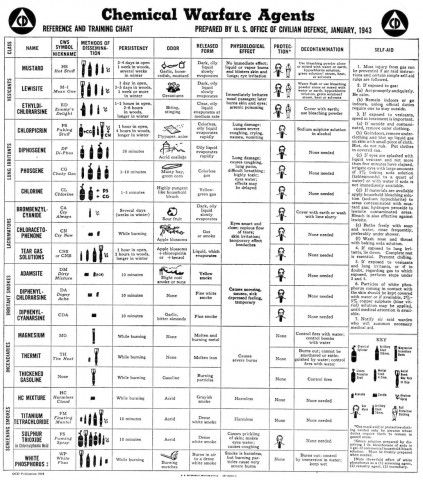
Today I came across an article in an American publication, Science News Letter, dated 24 April 1943. The headline on page 269 reads ‘Gas Attacks Expected’. The opening paragraph reads: HITLER’S BOMBERS, if they make their expected raids on American cities, can be counted on to drop poison gases in bombs or sprays, Col. A.

1910s, Pictures

Captain Mathy leaves his mark

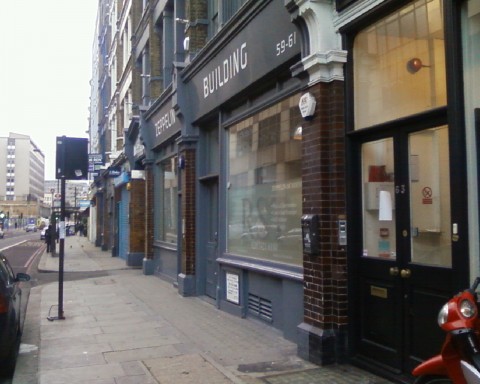
59-61 Farringdon Road in London is also known as the Zeppelin Building. I don’t know when it received this name; possibly only recently. But it owes it to the fact that its predecessor on the site was destroyed during an air raid on the night of 8 September 1915. The most famous of the Zeppelin

1940s, Aircraft, Civil defence, Periodicals, Pictures, Post-blogging 1940-2

Friday, 3 January 1941

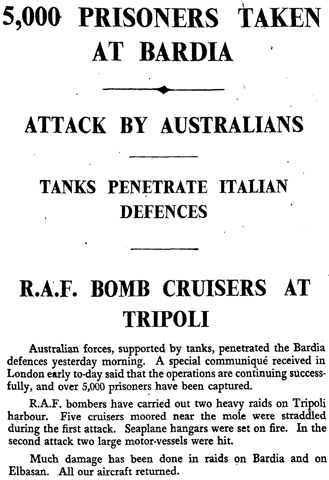
A Bomber Command raid Wednesday night against Bremen, Germany’s second-largest seaport, is described by the Manchester Guardian as ‘R.A.F. Answers London Fire Raid‘ (5). The dropping of 20,000 incendiary bombs seems to be the basis for this. Whether the Bremen raid would technically count as a ‘reprisal’ (from the British point of view, anyway) is

Scroll to Top