
Books

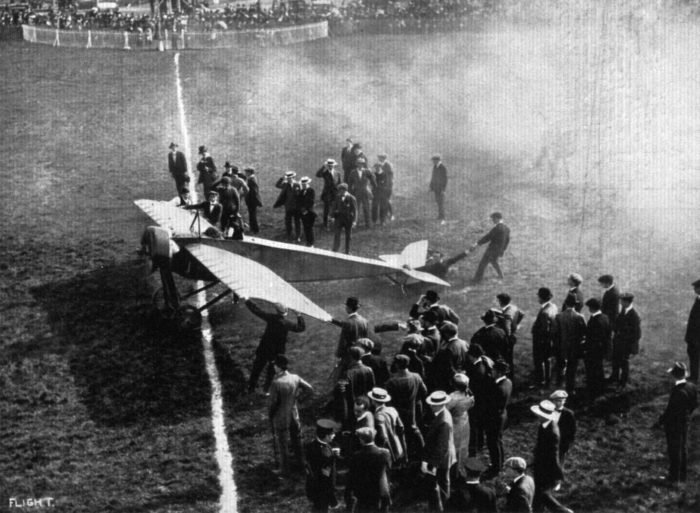
Santos-Dumont's flight, 12 November 1906
1900s, Books, Pictures, Words

No longer an island? — III

A quick followup to my previous posts about the origins of the phrase ‘England is no longer an island’, supposedly uttered by Lord Northcliffe in 1906 in reference to Alberto Santos-Dumont taking to the air (above). I’ve tried to run down a primary source for this, but haven’t quite managed it. Here’s what I have […]

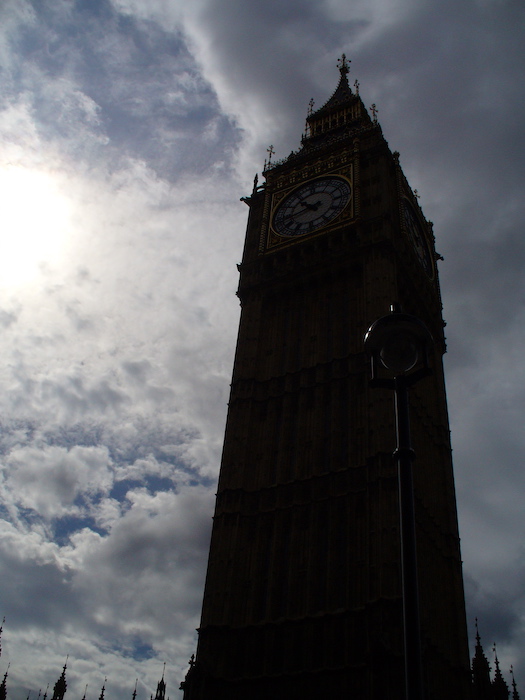
Big Ben
1940s, Books, Periodicals, Pictures, Radio, Rumours

A tall tale of Big Ben

As part of a discussion about the worldwide syncronisation of time, Yuval Noah Harari writes: During World War Two, BBC News was broadcast to Nazi-occupied Europe. Each news programme opened with a live broadcast of Big Ben tolling the hour — the magical sound of freedom. Ingenious German physicists found a way to determine the

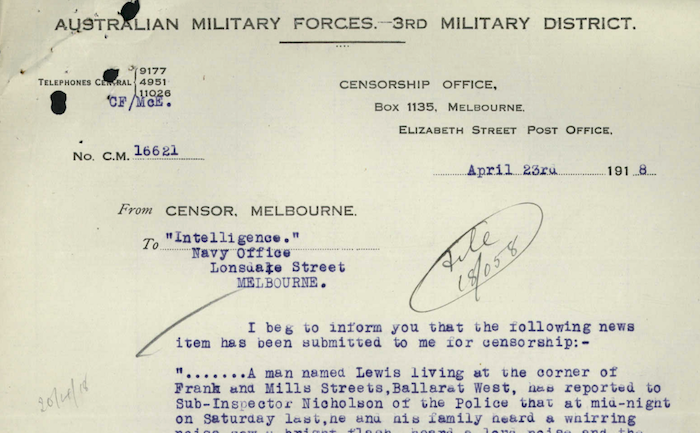
Finlayson, 23 April 1918
1910s, Archives, Australia, Books, Phantom airships, mystery aeroplanes, and other panics, Pictures, Post-blogging the 1918 mystery aeroplanes

Tuesday, 23 April 1918

NAA: MP1049/1, 1918/066, page 212 is a telegram from Captain C. Finlayson, censor for the 3rd Military District (Victoria), to ‘Intelligence’, Navy Office. He is passing on a newspaper article which has been submitted for censorship: A man named Lewis living at the corner of Frank and Mills Streets, Ballarat West, has reported to Sub-Inspector

1910s, Australia, Books, Nyang Week, Phantom airships, mystery aeroplanes, and other panics, Publications

Self-archive: ‘The enemy at the gates’

In 2016 I contributed a chapter on the 1918 mystery aeroplane panic to Australia and the Great War: Identity, Memory and Mythology, an edited collection published by Melbourne University Press. While I’d already published a peer-reviewed article on the same topic, this was broader in scope as it attempted to provide a transnational narrative and

1930s, 1940s, Books, Civil defence, Phantom airships, mystery aeroplanes, and other panics, Rumours

Air panics of the British Raj

As long-time (and very patient) readers of this blog will know, I am fascinated by the historical evidence for what I term air panics. Most obviously this includes phantom airship and mystery aeroplane panics, but also rearmament panics, Zeppelin base panics, red balloon panics… anything and everything which provides evidence for what the British people

1930s, Aerial theatre, Books

That’s war!

A snippet from David Hall’s Worktown, on the Mass-Observation project in Bolton, a textile town near Manchester: At 2.40 [pm] the most interesting event of the day took place. Eight aeroplanes flew over — a rare sight in Worktown, which is nowhere near a military airport and some distance from a civil one. ‘Two men

1910s, Aerial theatre, Books, Periodicals

Downward, inward persuasion — II

So, who was behind the drop of propaganda leaflets on the striking workers at Coventry in December 1917? Most of the press accounts in fact avoid identifying the aeroplanes involved or who was flying them. At least one, however, says they were ‘military pilots’ and this seems likely. While civilian flying didn’t stop entirely during

Scroll to Top