
The thunderclaps of August
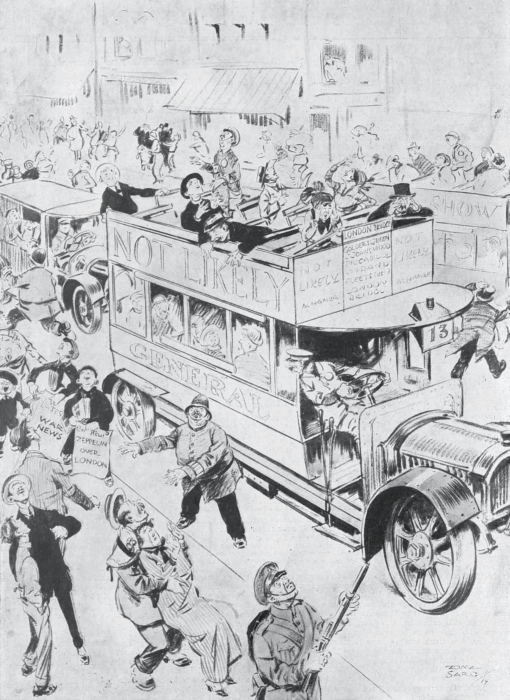
Shortly after the declaration of war Londoners lifted fearful eyes to the skies, as it seemed that bombs might be about to rain down on them from the skies…
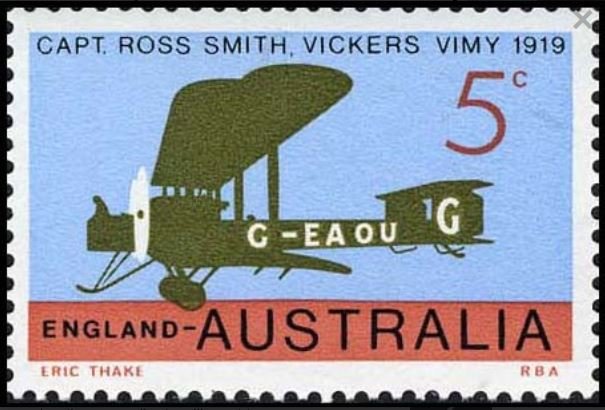
Michael Molkentin. Anzac and Aviator: The Remarkable Story of Sir Ross Smith and the 1919 England to Australia Air Race. Crows Nest: Allen & Unwin, 2019. [Disclaimer: Michael is a friend of mine. But I wouldn’t have agreed to review his book if I wasn’t confident, based on everything else that he has published, that
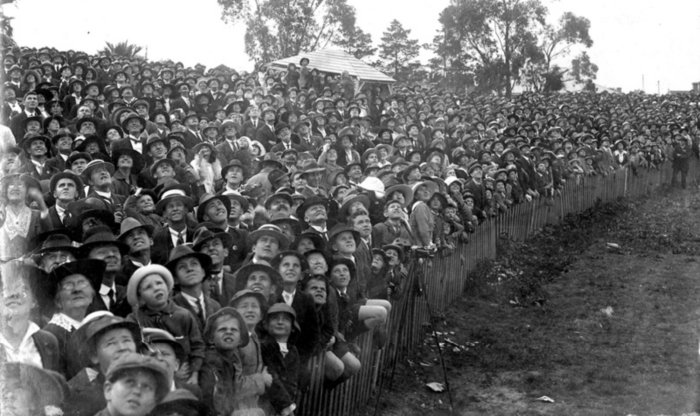
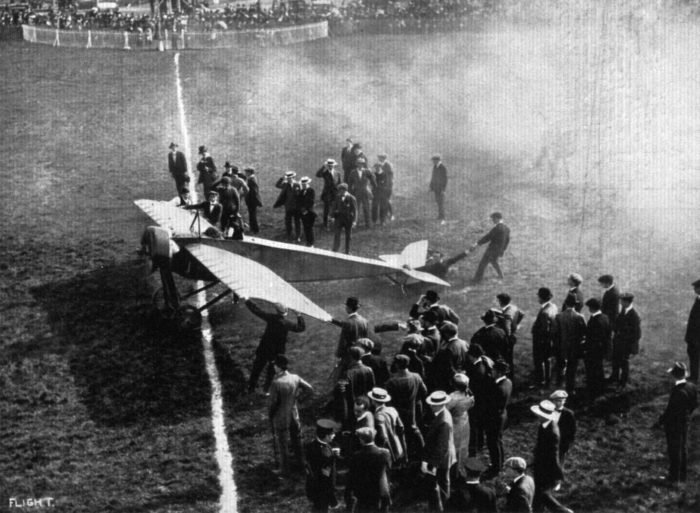
Tim Sherratt pointed out this remarkable image, PRG 280/1/24/108 in the State Library of South Australia’s collection. The description reads: A large crowd of spectators packed into stands around a show ring looking up into the sky as they watch for the arrival of the local aviator Harry Butler’s aircraft. The date is given as
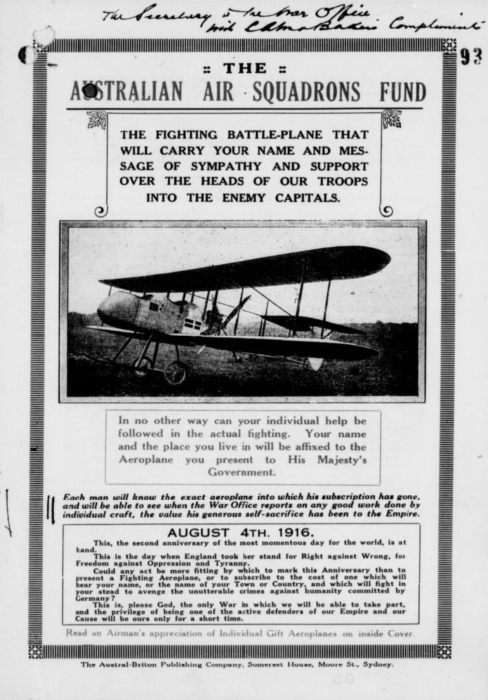
This is the cover of a leaflet produced in 1916 by the Australian Air Squadrons Fund, the Australian arm of the Imperial Air Flotilla which raised funds around the British Empire for presentation ‘battle-planes’ for the Royal Flying Corps. My interest in it is not so much for its own sake, though I am struck
Since this thread received absolutely no love over on Twitter, some lazyblogging of a 1944 article entitled ‘Jargon of the skies’ by James E. Wellard on RAF and US Army slang, published in the Toronto Star Weekly (via the Perth Sunday Times): — Brett Holman (@Airminded) April 30, 2019
According to David Oliver’s Hendon Aerodrome, International tension remained high during the Whitsun weekend [30-31 May] of 1914, when the country was plunged into a Zeppelin scare that resulted in severe civil flying restrictions.1 As I’ve never come across this mystery aircraft panic before — a not unknown occurrence! — I naturally got very excited,
Proselytisers are famously early adopters of communications technology (see: the Gutenberg Bible). It shouldn’t be surprising that missionaries were intrigued by the development of aviation: a Baptist minister, Reverend F. W. Boreham, even claimed that It was with a view to winging the Gospel to the uttermost ends of the eaxth that the first airman
A long time ago I wrote about the idea that the advance of technology had annihilated Britain’s traditional maritime defences. This claim was famously — supposedly — made by Lord Northcliffe, founder and owner of the Daily Mail, after seeing Alberto Santos-Dumont fly in France in 1906: ‘England is no longer an island’.1 It’s so
[Cross-posted at Airplay.] Australia is a long way from anywhere, even from itself. It nearly always takes a long time to get to where you want to go. Historian Geoffrey Blainey famously popularised the idea that this remoteness has shaped Australian history and culture in the title of his 1966 book, The Tyranny of Distance.
NAA: MP1049/1, 1918/066, page 416 is a report from Lieutenant Commander George D. Warren RANR, commanding officer, HMAS Coogee, a civilian coastal steamship requistioned by the Navy for use as a minesweeper. Warren is reporting on the results of his investigation of an aeroplane seen from a naval lookout on the northern end of King