
1910s

1910s, 1940s, Books, Words

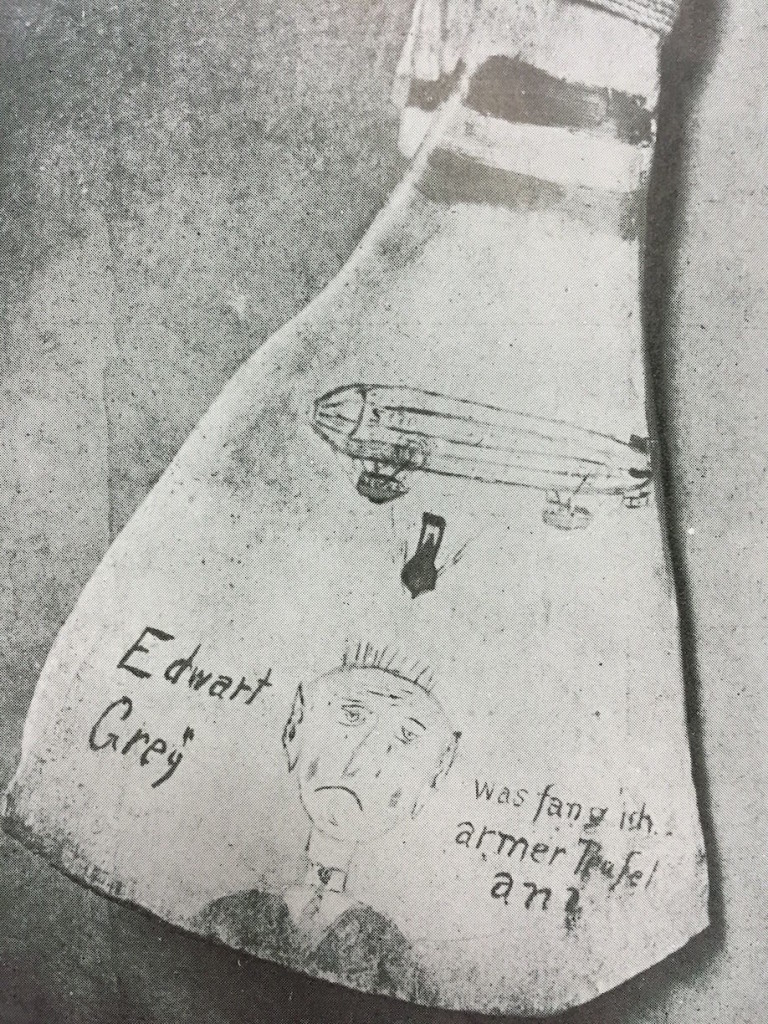
The first bombing war

In the last decade or so, it seems to have become a thing to refer to the German air raids on Britain during the First World War as the ‘First Blitz’. There are now at least three books on the topic with that title or variations thereof: Andrew Hyde’s The First Blitz: The German Bomber […]

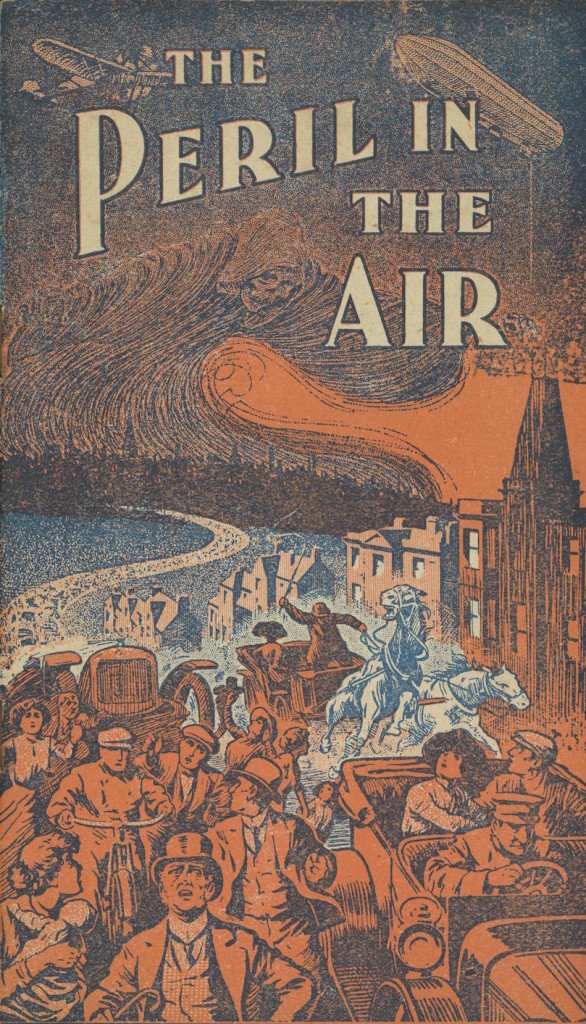
1910s, Air defence, Archives, Blogging, tweeting and podcasting, Books, Conferences and talks, Phantom airships, mystery aeroplanes, and other panics

Le Queux’s war

The novelist William Le Queux is famous, or rather infamous, for beating the drum of the German invasion and spy threat before the Great War. But what did he do during the war? Unsurprisingly, he did much the same thing. On 28 February 1915, for example, The People published an article by Le Queux entitled

1900s, 1910s, 1920s, 1930s, Aerial theatre, Australia, Conferences and talks

Aviation cultures and aerial theatre

In December I’ll be giving a talk at the Aviation Cultures Mk. II: Technology, Culture, Heritage conference at the University of Sydney, entitled ‘Comparing Hendon: aerial theatre in context’. Here’s the abstract: The RAF Pageants held between 1920 and 1937 at Hendon in north London were an annual series of air shows, in which military

1910s, Aerial theatre, Periodicals, Phantom airships, mystery aeroplanes, and other panics, Publications

The joy of six

I’m very pleased to announce that the Journal of British Studies has accepted my article, ‘The phantom airship panic of 1913: imagining aerial warfare in Britain before the Great War’, for publication. This is exciting for a number of reasons. Naturally, one reason is because it’s another peer-reviewed article (number six, by my count). That’s

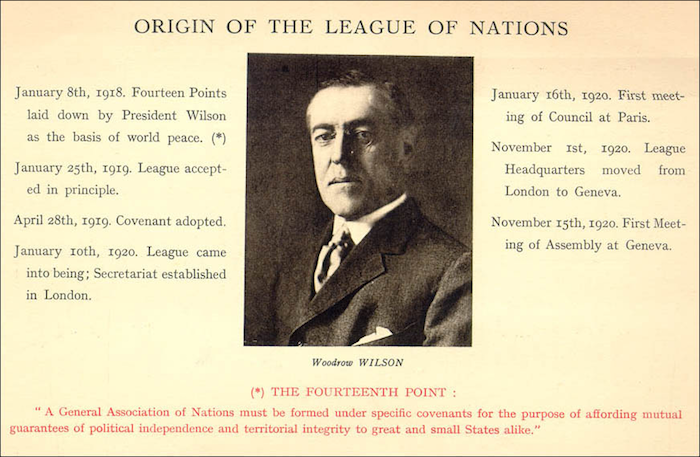
Origin of the League of Nations
1910s, 1920s, 1930s, 1940s, Collective security, Conferences and talks, Disarmament, International air force, Pictures, Radio, Sounds, Turning points in history

Turning points: the League of Nations

I did my second Turning Point for ABC New England radio today, and chose to talk about the founding the League of Nations in 1920. The League is usually considered to be a failure, because it didn’t prevent the Second World War or even play any significant role after the Italian invasion of Abyssinia. But

IWM Q48951
1910s, Conferences and talks, Disarmament, International law, Interviews, Nuclear, biological, chemical, Pictures, Radio, The road to war

The road to war – XII

For my twelfth (and last?) contribution to ABC New England’s Road to War series, I spoke about what was undoubtedly the most important battle to take place in late April 1915, the Second Battle of Ypres in Flanders. The reason why this was so important is because it opened with the first successful, large-scale poison

Scroll to Top