
It’s the last day of AHA 2026, though the only things on the program for today are historical tours and as I decided (for reasons) to attend online this time, that means the conference is over for me. Though it felt rushed and a bit garbled, I think my talk on London’s air raid shelters in 1917-18 went well. The audience certainly seemed engaged and asked good questions (though in one case I later thought of a much better answer than the one I actually gave!).
Nevertheless, I found the process of putting the paper together unusually difficult this time around. One reason for this was that, as I anticipated when I submitted the abstract, I hadn’t yet got to grips with the content when it came time to think about what I was going to actually say. Another was that I’d been on Aviation Cultures Mk VIII support duties just a couple of weeks ago and found it difficult to switch back and forth (especially since it was in Canada and I wasn’t).
I think, however, that it was hard also because where I’m at with Home Fires Burning. As I said in my talk, this manuscript has been long in the gestation. In fact it’s just a few days short of five years since I gave my first talk coming out of this project. (A slightly later version of which I wrote up here). But, equally, I am approaching the end, having just started the penultimate chapter. So I feel like I should be able to say what’s it all about (a related, though slightly different, question to what’s it all for). And that question was definitely churning through my mind the night before my talk.
So, am I able to say what the book is all about? Well, although my talk was not about the thing as a whole, I think the conclusions, most of which I wrote about 15 minutes before going on camera, do cover a lot of it (lightly edited, and some links added, for sense and clarity):
- British pluck = stoicism, stiff upper lip, emotional restraint
- In air raids, stay put, do not express emotions
- = an emotional regime (Reddy)
- Presented as innately British but actually learned by emulation of family/peers, and prescribed by press
- Process of adaptation cf. Blitz spirit in WW2
- Most people displayed British pluck most of the time, but not all people all of the time
- Sometimes large scale deviations from British pluck, alternately denied, minimised, excused, or displaced:
- Bombardment panics: 1914, 1918
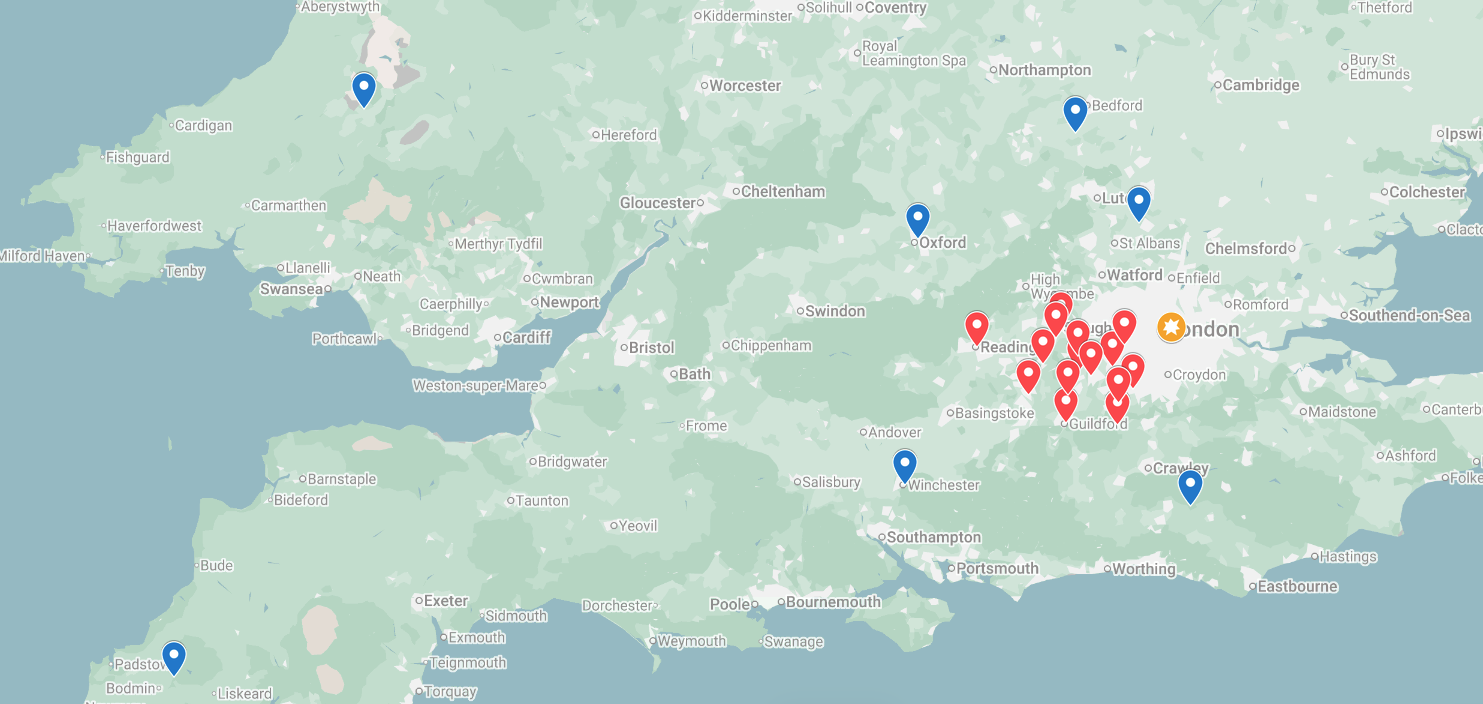
- Raid refugees: 1915, 1917-18 [see image above]
- Post-raid (anti-German) riots: 1915, 1917
- Raid tourism: 1915-1918
- Patrol movements: 1915, 1916, 1917-18
- Reprisal demands: 1915-1918
- [I forgot to include the actual topic of this talk! Air raid shelters: 1917-1918]
- Sometimes large scale deviations from British pluck, alternately denied, minimised, excused, or displaced:
- Tube shelters were sites of safety for the working classes, but sites of spectacle for upper and middle classes, where they could feel disgust at working class/foreign bodies and habits and reinforce their own feelings of superiority
- Tube shelters became a means of affirming both that to be British means having courage under fire, and that being ‘alien’ (Jewish) means lacking that courage
- In an increasingly total war, non-British civilians were coming to be seen as liabilities, dangerous enemies within, endangering British civilians by their uncontrolled emotions and bodies
Does this make any sense? If not – you’ll just have to wait until the book is actually finished!
 This work is licensed under a Creative Commons Attribution-NonCommercial-NoDerivatives 4.0 International License.
Permissions beyond the scope of this license may be available at http://airminded.org/copyright/.
This work is licensed under a Creative Commons Attribution-NonCommercial-NoDerivatives 4.0 International License.
Permissions beyond the scope of this license may be available at http://airminded.org/copyright/.